We earn commissions from links on this site. Read our disclosure.

4 independent reviews

Solar Panels: Best Picks and Buyer Guide

Rooftop and DIY solar kits ranked by efficiency, durability, warranty, and homeowner ROI.

Get Free Quotes

Topic hub

See the complete 2026 incentives guide

Start with the full federal and local incentive picture, then branch into solar value analysis, tax-credit updates, and planning tools.

Open the incentives hub

New guide

Is solar still worth it in 2026 without the tax credit?

The old 30% homeowner credit is gone, but that does not automatically mean solar stopped making sense. Here is how the new math works.

Read the guide

Backup planning

Solar panels alone usually will not power your home during an outage

Most grid-tied solar systems shut off during blackouts unless they are paired with the right backup setup. See what actually keeps the lights on.

Learn your backup options

Quick comparison

Compare the top solar panels

ProductRatingPriceKey SpecBest ForCTA
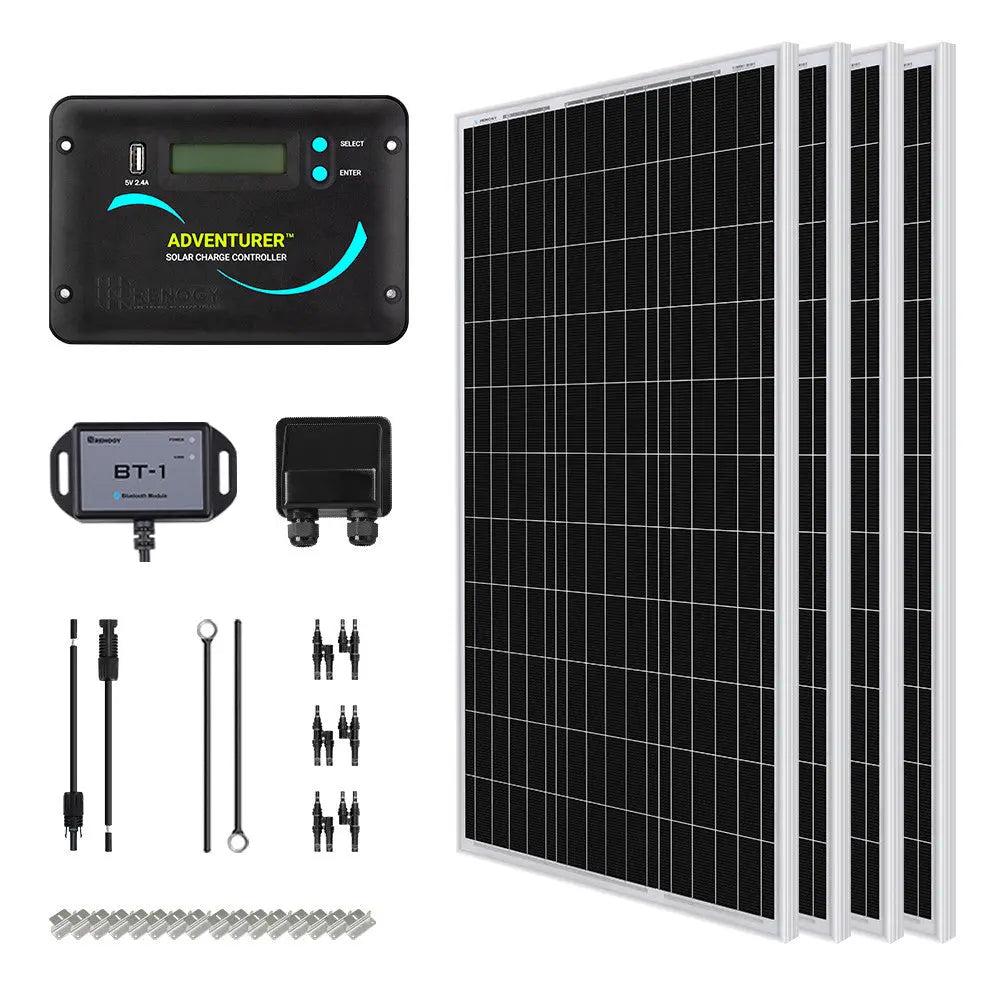
Renogy 400W Solar Panel Kit4.8$350-$450400W monocrystalline kitDIY solar starters and shedsCheck Price
A1 Solar 6kW Grid-Tie Kit4.6$6,500-$8,5006kW grid-tie packageHomeowners comparing installer quotesCheck Price
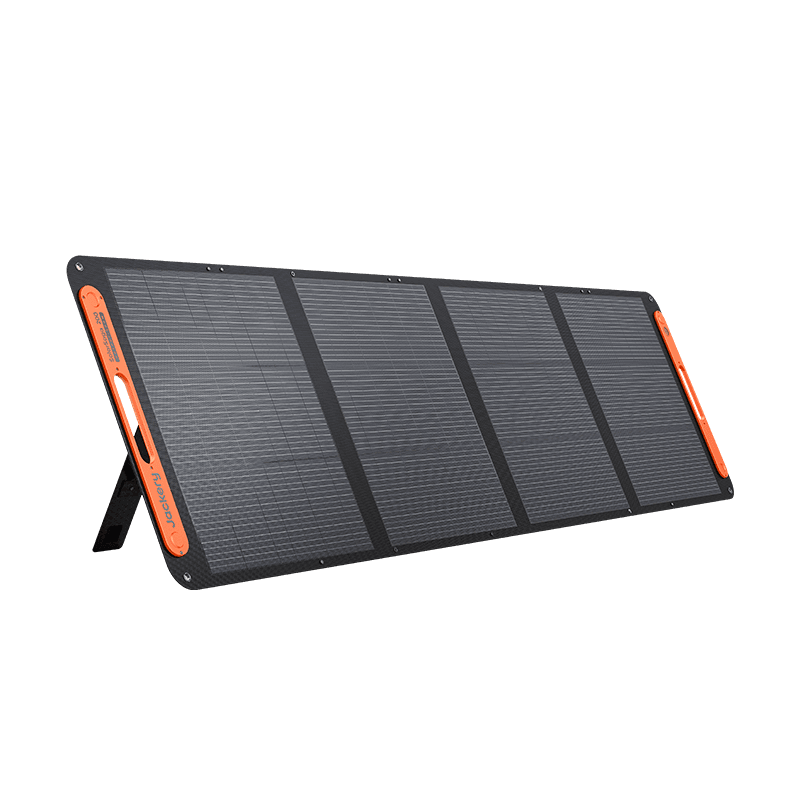
Jackery SolarSaga 200W4.6$499-$599200W foldable monocrystalline panelPortable power station charging and off-grid setups
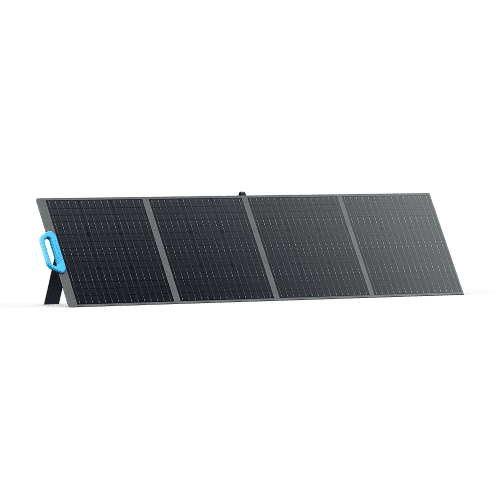
Bluetti PV2004.5$429-$499200W folding panel with adjustable kickstandBudget-conscious power station charging

Full reviews

Renogy 400W Solar Panel Kit solar-panels review
#1 pick

Renogy 400W Solar Panel Kit

4.8(847)

The Renogy 400W kit is the practical first step for homeowners who want real solar production without committing to a full rooftop project.

Key spec: 400W monocrystalline kitBest for: DIY solar starters and shedsTypical price: $350-$450
A1 Solar 6kW Grid-Tie Kit solar-panels review
#2 pick

A1 Solar 6kW Grid-Tie Kit

4.6(392)

A strong quote benchmark for homeowners who want to understand equipment costs before speaking with installers.

Key spec: 6kW grid-tie packageBest for: Homeowners comparing installer quotesTypical price: $6,500-$8,500
Jackery SolarSaga 200W solar-panels review
#3 pick

Jackery SolarSaga 200W

4.6(612)

The Jackery SolarSaga 200W is the practical choice for homeowners and travelers who want reliable solar charging for portable power stations without a permanent installation.

Key spec: 200W foldable monocrystalline panelBest for: Portable power station charging and off-grid setupsTypical price: $499-$599
Read full review
Bluetti PV200 solar-panels review
#4 pick

Bluetti PV200

4.5(388)

The Bluetti PV200 is a strong budget pick for homeowners who want dependable solar charging for a power station without paying a premium for brand name.

Key spec: 200W folding panel with adjustable kickstandBest for: Budget-conscious power station chargingTypical price: $429-$499
Read full review

Deeper analysis

Comparing your options?

Jump into a focused head-to-head guide before you decide which product deserves the next click.

How to Choose the Right Solar Panels

Solar panel choices generally fall into two very different categories: small DIY kits for sheds, RVs, or supplemental power, and full rooftop systems sized to offset most or all of a home's electricity use. These have different buying processes - DIY kits are purchased like any other product, while rooftop systems usually involve a quote, site assessment, and professional installation. Knowing which category you're in changes what matters most.

DIY kits: check expandability and your actual install site

For shed, RV, or supplemental DIY kits, look at panel wattage, the included charge controller and mounting hardware, and whether the kit can be expanded later by adding more panels to the same system. Confirm your mounting surface (roof type, ground space, or RV roof) is compatible with the included hardware - mismatched mounting hardware is one of the most common DIY frustrations.

Rooftop systems: compare quotes on system size, not just price

For full rooftop installations, request quotes in terms of system size (kW) and estimated annual production (kWh/year), not just total price. A lower-priced quote for a smaller system may produce less electricity than a higher-priced quote for a larger one - compare cost per kWh produced over the system's life, not just the upfront number.

Check panel efficiency and warranty length together

Panel efficiency (the percentage of sunlight converted to electricity) affects how much power you get from a given roof area - higher efficiency matters more if your roof space is limited. Warranty length (often 25 years for panel output) is a strong signal of how long the manufacturer expects the panels to perform - shorter warranties may indicate lower-tier components, even if the upfront price looks attractive.

Confirm what incentives still apply to your project

The homeowner 30% federal solar credit ended after December 31, 2025, so new 2026 rooftop projects should be evaluated without that assumption. Focus instead on gross installed cost, local utility rules, net metering, and any current state or utility rebates that still apply in your market.
Frequently Asked Questions

How does KiloWatt Hub rank products?

We compare specs, price, warranty, user fit, installation complexity, and long-term homeowner value.

Do affiliate commissions affect rankings?

No. We may earn commissions from links, but recommendations are editorially independent.

Should I get installer quotes before buying?

For rooftop solar, batteries, and hardwired EV chargers, yes. Quotes reveal electrical, permitting, and incentive details that generic pricing cannot.

How often are pages updated?

KiloWatt Hub content is date-stamped and designed for monthly updates as pricing, incentives, and product lines change.

Also consider