ChargePoint Home Flex
4.7(1,830)Home Flex is the safest default recommendation for EV owners who want a dependable charger that can grow with their electrical panel.
4 independent reviews
Level 2 home chargers for faster, safer, lower-cost EV charging.
Get Free QuotesTopic hub
Connect the EV charger deadline with the expired homeowner solar credit, the eligibility checker, and the other pages homeowners are reading right now.
Open the incentives hubTime-sensitive update
Eligibility depends on your address and the charger must be installed and operational by the deadline, not just ordered.
See what qualifiesEmerging topic
Bidirectional charging is real, but it is not the same thing as buying a standard Level 2 charger. Here is what V2H actually means in 2026.
Read the V2H guideEligibility tool
Use a quick ZIP-based pre-check, then jump to the official address-based lookup and the right next steps for your charger project.
Use the checkerQuick comparison
| Product | Rating | Price | Key Spec | Best For | CTA |
|---|---|---|---|---|---|
| ChargePoint Home Flex | 4.7 | $500-$650 | Up to 50A Level 2 charging | Most EV homeowners | Check Price |
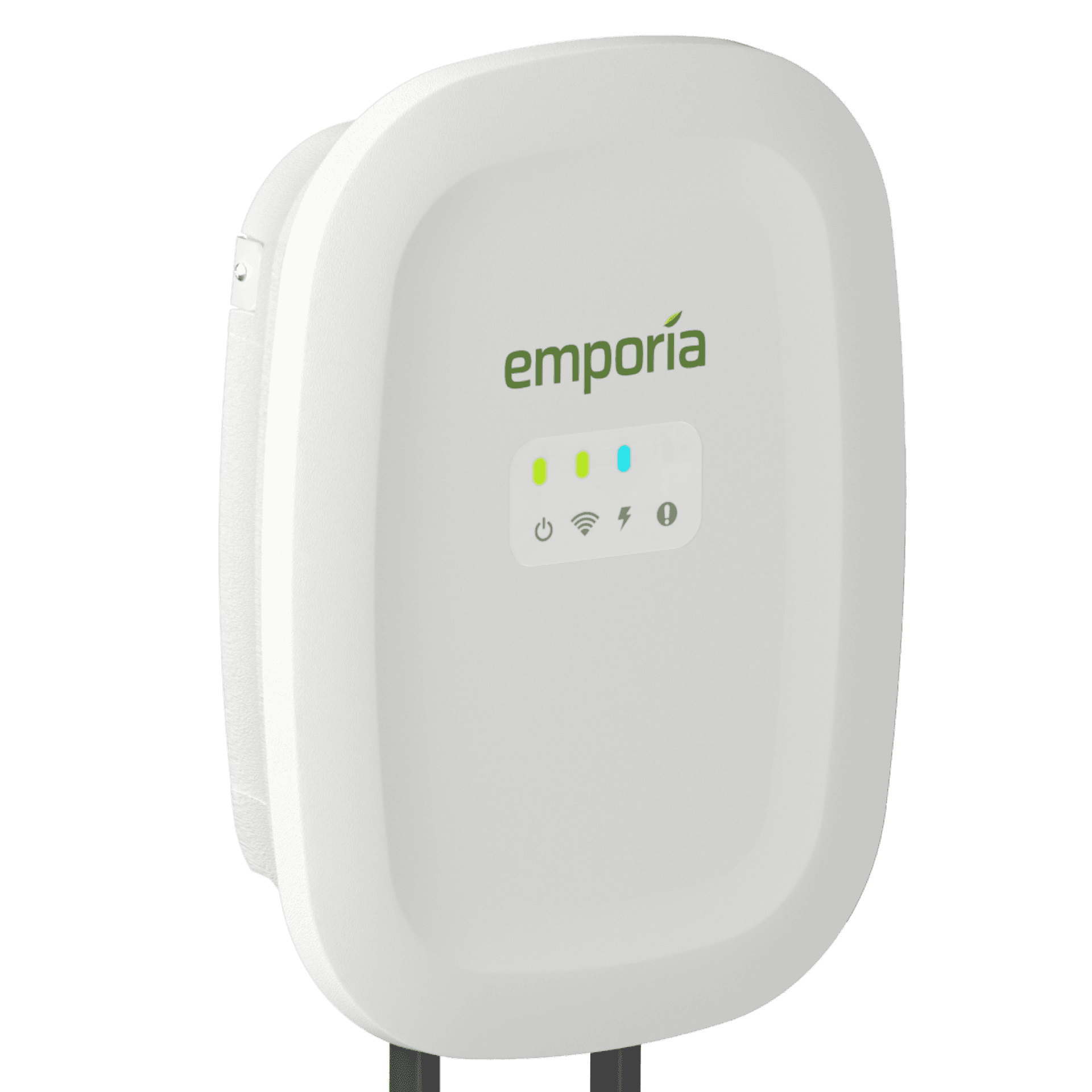
| Emporia Level 2 EV Charger | 4.5 | $350-$500 | 48A smart charging | Budget smart charging | Get Free Installation Quotes |
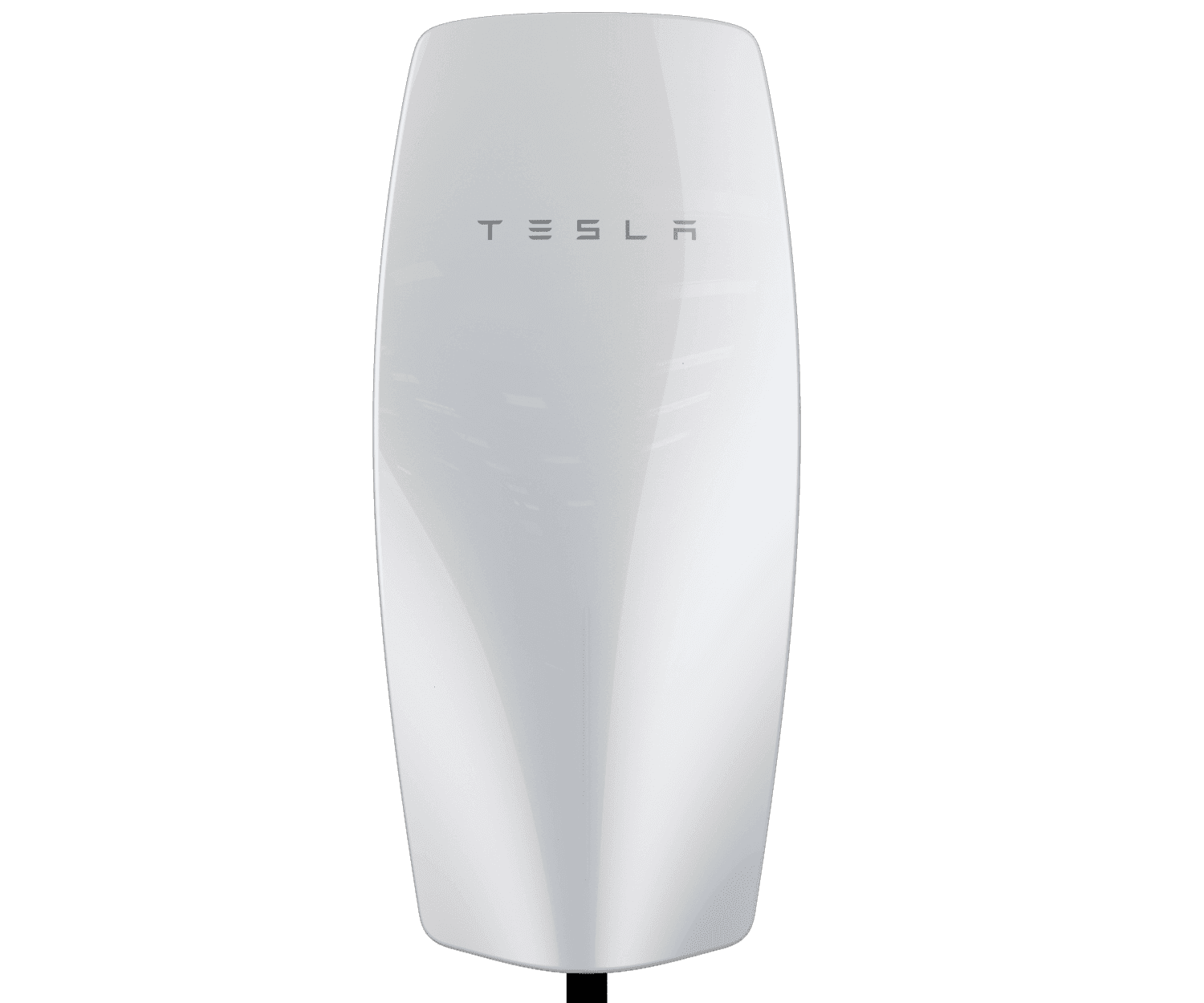
| Tesla Wall Connector | 4.6 | $400-$475 | Up to 48A, WiFi-connected, NACS connector | Tesla owners and NACS-compatible EVs | |
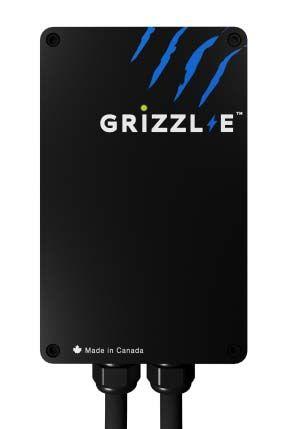
| Grizzl-E Classic | 4.4 | $219-$279 | Up to 40A, no-frills hardwired or plug-in charger | Budget-focused buyers who do not need smart features |
Full reviews

Home Flex is the safest default recommendation for EV owners who want a dependable charger that can grow with their electrical panel.

Emporia delivers the core Level 2 charging experience at a price that leaves more budget for installation.

The Tesla Wall Connector is the natural default for Tesla owners, with broadening compatibility for other EVs as NACS adoption grows.

The Grizzl-E Classic is the pragmatic choice for homeowners who want reliable Level 2 charging without paying for app connectivity they may not use.
Deeper analysis
Jump into a focused head-to-head guide before you decide which product deserves the next click.
Choosing a home EV charger mostly comes down to three things: how fast you need to charge, what your electrical panel can support, and whether you want smart features like scheduling and energy monitoring. Most homeowners don't need the fastest charger on the market - they need one that comfortably fits their daily driving and their home's electrical capacity.
Level 2 home chargers typically range from 16A to 50A. Higher amperage charges faster, but requires more available capacity on your electrical panel and a thicker, more expensive circuit. For most daily commutes, a 32A-40A charger fully replenishes a typical EV battery overnight. Higher-amperage chargers (48A-50A) matter more if you drive significantly more than average or want to minimize charging time for multiple vehicles.
A Level 2 charger typically needs a dedicated 240V circuit, which usually means an electrician's visit. If your electrical panel is near capacity, you may also need a panel upgrade - a separate, often larger cost. Get an estimate for the full installation, including any panel work, before comparing charger prices alone. Hardwired installations are generally more reliable long-term than plug-in setups, but plug-in chargers offer more flexibility if you move or want to take the charger with you.
Smart EV chargers can schedule charging for off-peak electricity rates, track energy usage per session, and integrate with home energy monitoring systems. If your utility offers time-of-use rates, scheduling can produce meaningful savings over time. If you don't need scheduling or monitoring, a simpler charger may be more reliable and easier to set up, with less reliance on an app or Wi-Fi connection.
EV chargers have different incentive rules than solar panels and batteries. The federal EV charger credit can still cover up to 30% of charger and installation costs, capped at $1,000, but only for homes in eligible low-income or non-urban census tracts and only for equipment placed in service by June 30, 2026. State and utility rebates may also be available separately, so check current programs before purchasing.
We compare specs, price, warranty, user fit, installation complexity, and long-term homeowner value.
No. We may earn commissions from links, but recommendations are editorially independent.
For rooftop solar, batteries, and hardwired EV chargers, yes. Quotes reveal electrical, permitting, and incentive details that generic pricing cannot.
KiloWatt Hub content is date-stamped and designed for monthly updates as pricing, incentives, and product lines change.
Also consider