We earn commissions from links on this site. Read our disclosure.

4 independent reviews

Power Stations: Best Picks and Buyer Guide

Portable backup power systems for outages, camping, RVs, and solar charging.

Get Free Quotes

Topic hub

See the full backup-power guide

Start with the big-picture backup guide, then use power-station reviews only after you know a portable solution really fits your outage pattern.

Open the backup hub

Outage myth

Solar panels do not automatically give you outage backup

If you want smaller-load blackout coverage without installing a whole-home battery, start with this explainer on what portable power stations can and cannot do.

See the backup options

Comparison guide

Generator vs battery vs portable power station

This side-by-side guide helps you decide when a power station is enough, when a battery is better, and when only a generator really fits.

Compare backup options

Quick comparison

Compare the top power stations

ProductRatingPriceKey SpecBest ForCTA
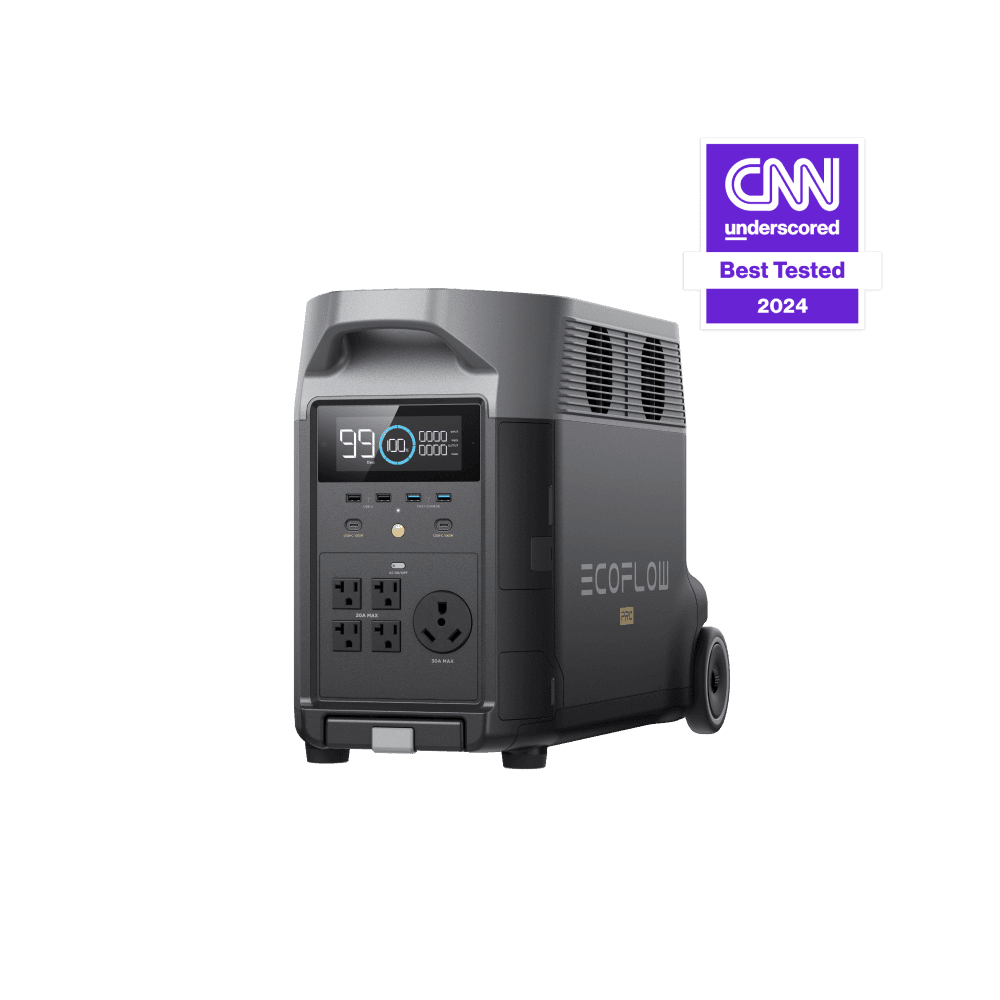
EcoFlow Delta Pro4.8$2,299-$3,6993.6kWh expandable batteryHome backup without a generatorCheck Price
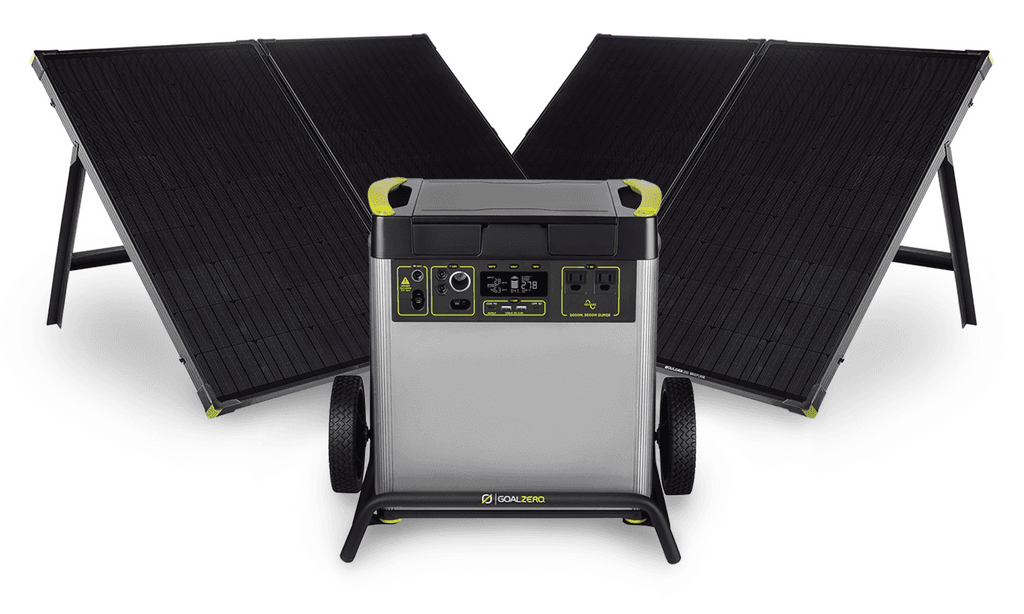
Goal Zero Yeti 6000X4.4$4,499-$5,9996,071Wh battery capacityLong-duration appliance backupCheck Price
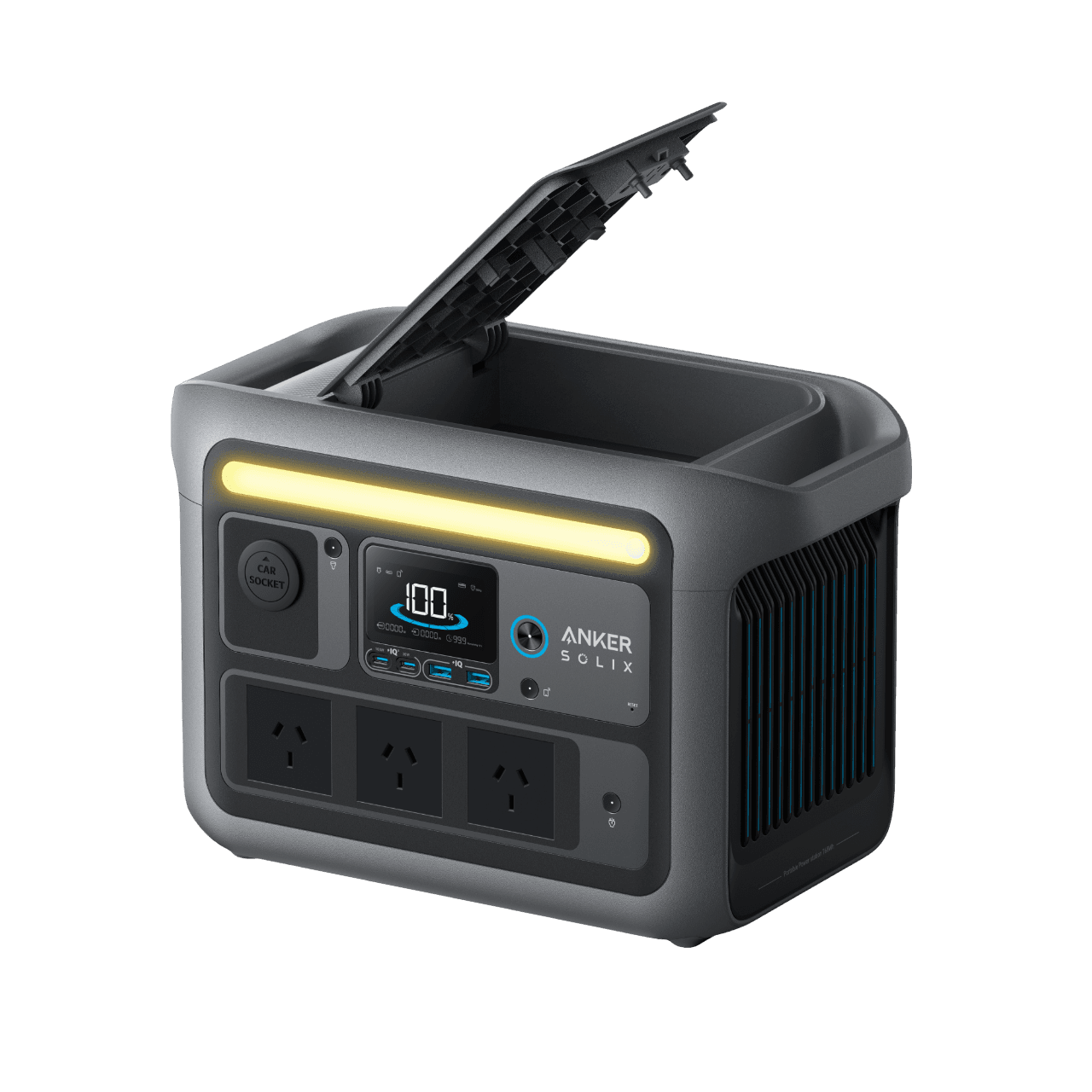
Anker SOLIX C8004.7$599-$799768Wh battery, 1200W outputMid-size backup for essentials during outages
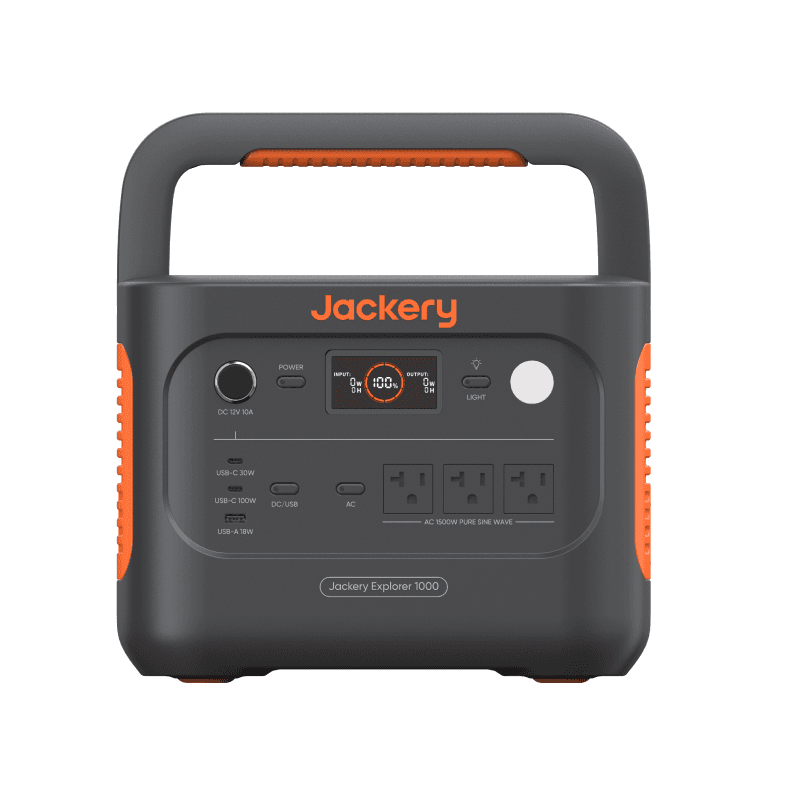
Jackery Explorer 1000 v24.6$799-$9991,070Wh LFP battery, 1500W outputLonger outages and higher-draw appliances

Full reviews

EcoFlow Delta Pro power-stations review
#1 pick

EcoFlow Delta Pro

4.8(1,240)

The Delta Pro is the cleanest high-capacity option for homeowners who want quiet backup power without fuel storage.

Key spec: 3.6kWh expandable batteryBest for: Home backup without a generatorTypical price: $2,299-$3,699
Goal Zero Yeti 6000X power-stations review
#2 pick

Goal Zero Yeti 6000X

4.4(712)

The Yeti 6000X still makes sense for users who value a large built-in battery and straightforward operation.

Key spec: 6,071Wh battery capacityBest for: Long-duration appliance backupTypical price: $4,499-$5,999
Anker SOLIX C800 power-stations review
#3 pick

Anker SOLIX C800

4.7(1,024)

The Anker SOLIX C800 hits a practical middle ground - enough capacity for real outage backup without the price or bulk of larger units.

Key spec: 768Wh battery, 1200W outputBest for: Mid-size backup for essentials during outagesTypical price: $599-$799
Read full review
Jackery Explorer 1000 v2 power-stations review
#4 pick

Jackery Explorer 1000 v2

4.6(891)

The Jackery Explorer 1000 v2 steps up capacity and output for homeowners who want to cover longer outages or occasionally run higher-draw appliances.

Key spec: 1,070Wh LFP battery, 1500W outputBest for: Longer outages and higher-draw appliancesTypical price: $799-$999
Read full review

Deeper analysis

Comparing your options?

Jump into a focused head-to-head guide before you decide which product deserves the next click.

How to Choose the Right Power Stations

Portable power stations are rated by two numbers that matter more than anything else: battery capacity (Wh or kWh - how much energy is stored) and continuous output (W - how much you can run at once). A power station with huge capacity but low output can't run high-draw appliances; one with high output but small capacity won't last long. The right choice depends on what you're trying to power and for how long.

Calculate your real power needs in watts and watt-hours

List the devices you want to run and their wattage (printed on most appliances or available from the manufacturer). Add up the running wattage for continuous output, and check the surge/starting wattage for anything with a motor (refrigerators, sump pumps, power tools) - these can briefly draw 2-3x their running wattage at startup. For total runtime, divide the battery's watt-hour capacity by your expected average draw in watts to estimate hours of use.

Consider expandability if your needs might grow

Some power stations support additional battery modules, letting you start with a base unit and add capacity later without replacing the whole system. This can be a more cost-effective path if you're unsure how much capacity you'll ultimately need, or if budget constraints mean starting smaller now.

Check solar charging compatibility and recharge time

If you plan to recharge via solar panels, check the unit's maximum solar input wattage and whether it includes the necessary charge controller, or requires a separate one. Also compare recharge times from wall power and from solar - a unit that recharges quickly from a wall outlet can be recharged between outages, while slow solar recharging may not keep pace with daily use during extended outages.

Match the use case: outage backup vs. portable power vs. both

A power station kept at home for outage backup has different priorities (capacity, ability to run essential circuits, quiet operation) than one used for camping, RV trips, or job sites (portability, weight, ruggedness). Some units serve both roles well; others are optimized for one. Be clear about your primary use case before comparing specs, since the "best" unit depends heavily on which job it needs to do most often.
Frequently Asked Questions

How does KiloWatt Hub rank products?

We compare specs, price, warranty, user fit, installation complexity, and long-term homeowner value.

Do affiliate commissions affect rankings?

No. We may earn commissions from links, but recommendations are editorially independent.

Should I get installer quotes before buying?

For rooftop solar, batteries, and hardwired EV chargers, yes. Quotes reveal electrical, permitting, and incentive details that generic pricing cannot.

How often are pages updated?

KiloWatt Hub content is date-stamped and designed for monthly updates as pricing, incentives, and product lines change.

Also consider