What We Like
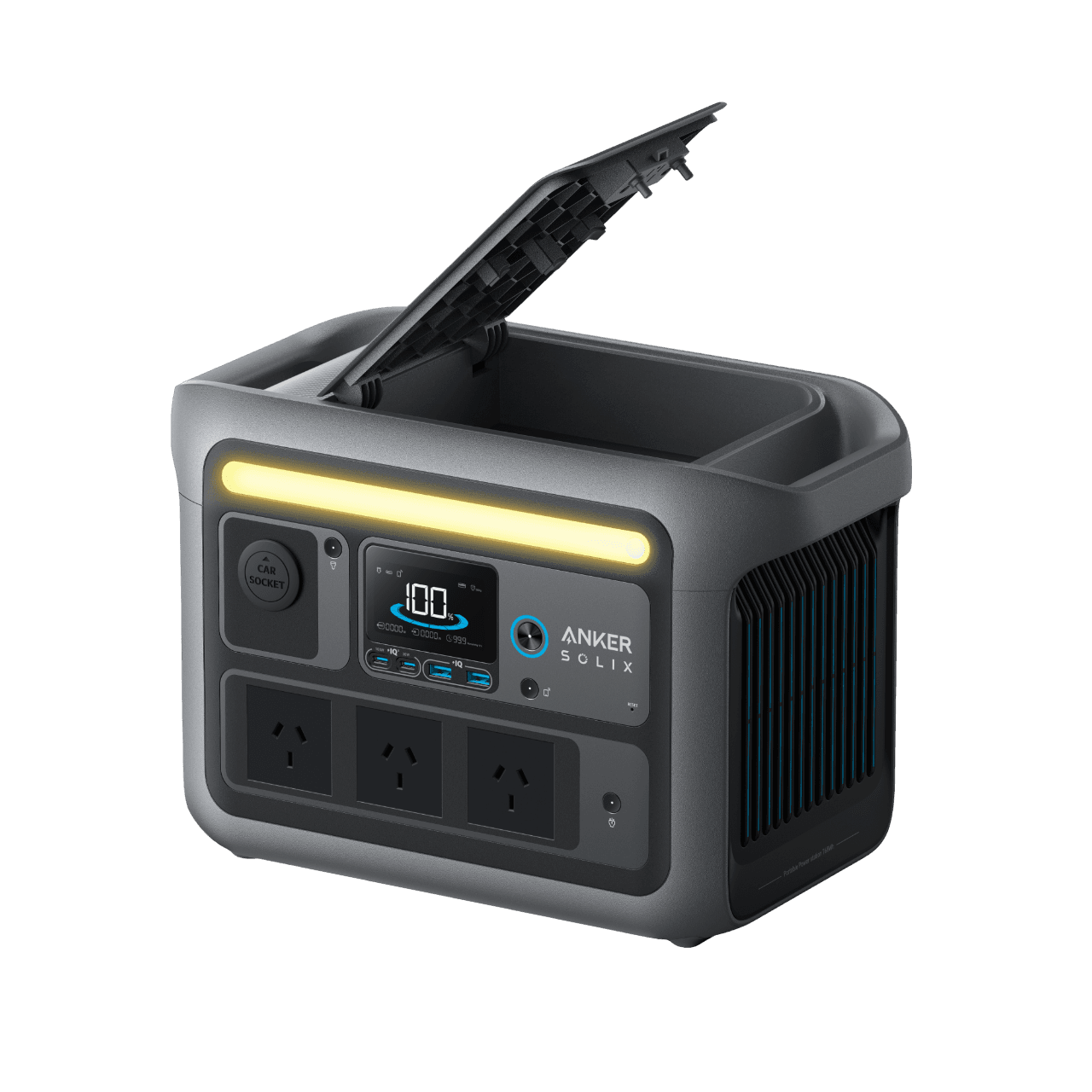
The biggest strength of the Anker SOLIX C800 is how balanced it feels. Many entry-level power stations are affordable but too small to be genuinely useful during an outage, while larger premium models quickly become bulky and expensive. The C800 lands in the middle in a way that makes sense for real households. With 768Wh of battery capacity and 1200W of continuous output, it can cover a refrigerator, router, phone charging, lighting, and a handful of small devices without feeling like you paid for more battery than you will realistically use.
Recharge speed is another meaningful advantage. Fast AC charging matters because most homeowners do not experience outages every week; they need a unit that can be topped back up quickly after use and returned to readiness without much thought. Anker has also built trust in consumer power products, and that broader accessory ecosystem can make ownership easier if you plan to add compatible solar panels, cables, or backup accessories later.
Portability is where the C800 becomes especially appealing to first-time buyers. At around 24 pounds, it is still manageable to move around the house, carry to a vehicle, or store in a closet. That makes it more likely to be used during real outages instead of being left in one corner because it is too awkward to move.
What Could Be Better
The C800 is not a whole-home backup solution, and buyers need to be honest about that upfront. It can handle meaningful essentials, but it is not designed for long runs of high-draw appliances or multiple major loads at once. If your outage plan includes central air conditioning, electric water heating, or cooking on large electric appliances, you are looking in the wrong product class.
The 1200W output ceiling is another real boundary. That level is enough for many household basics, but some tools, microwaves, space heaters, or startup surges from motor-driven equipment can push past it. The result is that buyers sometimes see a perfectly reasonable battery size and assume it will run anything they own, when output is the limiting factor before stored energy even becomes the issue.
It is also important to remember that value depends on your expected runtime needs. If you routinely want overnight or multi-day backup for refrigeration and communications, the C800 may start to feel small unless you are comfortable rationing loads or pairing it with solar recharging.
Who Is This Best For?
The ideal buyer is a homeowner who wants meaningful outage coverage for essentials without jumping to the price and bulk of a 2kWh-plus station. That includes apartments, townhomes, and single-family houses where the outage plan is centered on refrigeration, communications, lights, and device charging rather than whole-home backup. For that audience, the C800 is large enough to matter and small enough to stay convenient.
It is also a strong match for buyers who are new to backup power and want a first station that teaches them what they really need. A unit in this size class helps homeowners learn their actual runtimes, load priorities, and recharging habits before spending far more on a larger ecosystem. That makes the C800 a useful stepping stone rather than just a compromise.
Where it is less compelling is for homeowners who already know they need longer runtime or higher output. If you want to run a microwave, multiple kitchen appliances, or heavier power tools with much confidence, you may be better served by stepping up to something like the Jackery Explorer 1000 v2 or EcoFlow Delta Pro class.
Performance & Efficiency
In real outage use, the C800's performance is best understood as a balance of moderate capacity and practical output. A refrigerator that averages roughly 100W to 150W over time, plus a router and lighting, can stay supported for many hours, especially if the compressor cycles normally instead of running constantly. That is enough to get many homes through short outages or to bridge overnight gaps without resorting to a fuel generator.
Where the C800 performs especially well is mixed-load flexibility at sane household levels. It can support the combination of charging phones, running internet equipment, powering lights, and keeping a small appliance going without much drama. For many buyers, that is exactly the backup tier they need. The unit is efficient not because it is the largest or strongest, but because it converts a moderate purchase into meaningful resilience for the loads that matter most.
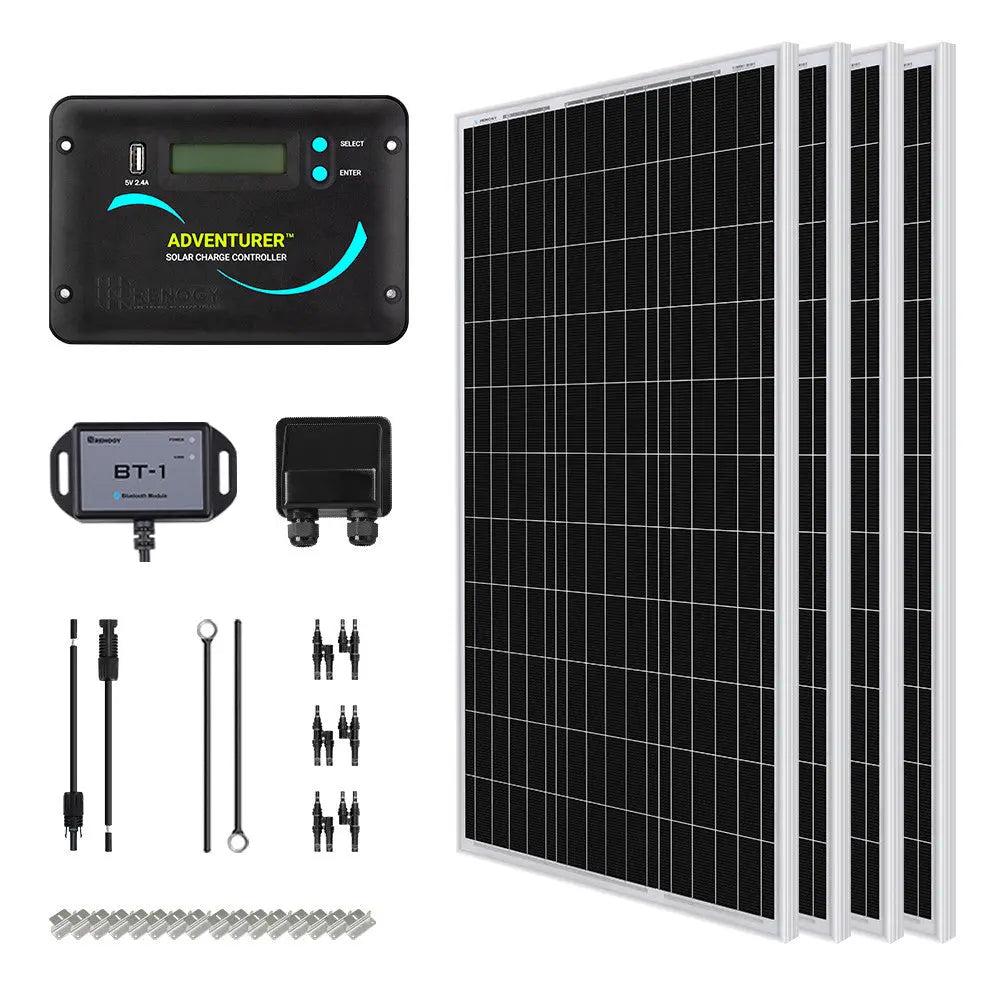
Recharge efficiency matters too. Fast wall charging shortens the downtime between uses, and solar compatibility can extend utility during longer grid events. Even if solar is not your primary recharge method, having that option improves the C800's usefulness in multi-day emergencies where wall charging is unavailable.
Value for Money
At roughly $599 to $799, the C800 occupies a very sensible middle tier. It costs more than compact budget stations, but the jump buys you enough capacity and output to cover real outage scenarios instead of just gadget charging. That matters because many low-cost stations disappoint not on quality, but on scale. They are simply too small to deliver the calm and flexibility buyers hoped for during a blackout.
Compared with larger premium models like the EcoFlow Delta Pro or Goal Zero Yeti 6000X, the C800 is dramatically cheaper and easier to live with, though obviously far less capable. That does not make it the "better" product overall; it makes it a sharper value for households whose needs do not justify a generator-scale battery purchase. In many cases, that is the smarter buying decision.
Against the Jackery Explorer 1000 v2, the C800 looks like the budget-conscious practical choice. You give up some capacity and output headroom, but you may avoid paying for performance you only use a few times a year. For first-time buyers especially, the C800 has a strong case as the most sensible place to start.