What We Like
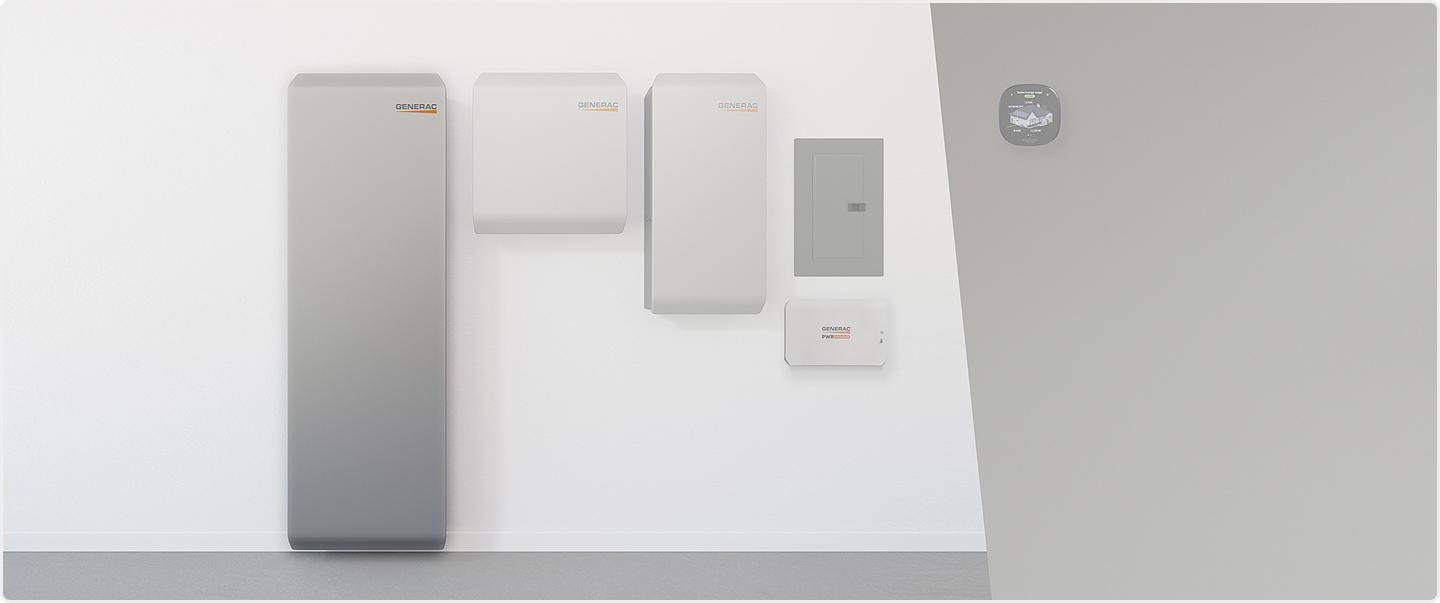
The strongest argument for the Generac PWRcell is flexibility. Home battery buyers often face an awkward choice between paying for more capacity than they need now or settling for a system that may feel undersized later. PWRcell's modular design helps reduce that tension. Starting with a smaller configuration and expanding later can be a very practical path for households that want backup power but need to pace the investment or learn their real outage priorities first.
Generac's brand position also matters. Many homeowners already know the company from standby generators, which creates an intuitive trust bridge into battery storage. That familiarity does not guarantee a perfect fit, but it can make the buying process feel less speculative than choosing a smaller or newer brand with less visibility in backup power conversations.
The system is also adaptable across home sizes. A buyer who mainly wants essentials coverage can spec a smaller configuration, while a household with larger outage goals can scale upward. That ability to tune the system around budget, load profile, and future plans is a real advantage over fixed-capacity batteries.
What Could Be Better
The flip side of modularity is complexity. PWRcell is an integrated system, not a simple off-the-shelf battery box, and it works best inside Generac's intended hardware ecosystem. If you already have existing solar equipment from another manufacturer, compatibility and integration deserve careful review before you assume the transition will be easy or cost-effective.
Installer availability can also vary more than buyers expect. Some regions have strong battery and generator installer coverage, while others have fewer experienced contractors who regularly quote this specific platform. Since home batteries are high-ticket installed systems, local installer strength is part of the product experience whether buyers realize it at first or not.
Finally, comparing PWRcell to simpler fixed-capacity products can be harder because the right answer depends on configuration. That is good for customization, but it can make apples-to-apples shopping less straightforward for homeowners who want a fast, standardized quote comparison.
Who Is This Best For?
PWRcell is best for homeowners who want flexibility in how they build capacity over time. If your budget supports a strong start but not necessarily your final desired system size, or if you want the option to expand once you have lived with the system for a while, this modular approach makes a lot of sense.
It is also a logical fit for buyers already familiar with Generac as a home-backup brand. Households that have considered or already use Generac generator products may appreciate staying within one broader backup ecosystem, especially if they want to compare batteries and generators as part of a longer-term resilience strategy.
The less ideal fit is a buyer who wants the cleanest possible single-number comparison and a more standardized installed product. In those cases, a battery like Tesla Powerwall 3 may feel simpler to evaluate because capacity and output are more fixed and widely quoted in one consistent configuration.
Performance & Efficiency
Performance for PWRcell depends heavily on configuration, which means homeowners should think in terms of outcomes rather than just marketing specs. A lower-capacity setup around 9kWh can cover essentials such as refrigeration, lighting, internet, and select circuits for a meaningful outage window. A larger build approaching 18kWh or beyond can support a much broader backup plan and more comfortable runtime, especially when paired with solar production.
That scalability can improve efficiency at the household level because you are less likely to overbuy on day one. Instead of paying immediately for the maximum system you might one day want, you can align capacity more closely with present needs and adjust later if your usage, budget, or outage priorities change.
For many buyers, that practical efficiency matters as much as round-trip electrical efficiency. A system that is right-sized and expandable can be a better financial and operational fit than a fixed alternative that is either too small or unnecessarily expensive from the start.
Value for Money
At roughly $10,000 to $15,000 installed, the PWRcell competes in the same serious-spending bracket as other whole-home-class batteries. That means value depends less on sticker price alone and more on the fit between system architecture and your goals. Buyers who benefit from the modular path may find the Generac system especially compelling because it can spread value across phases rather than requiring the perfect final-size decision upfront.
Compared with Tesla Powerwall 3, PWRcell often looks less standardized but potentially more adaptable. Compared with Enphase IQ Battery 5P, it offers a different take on expandability and ecosystem alignment. Those are meaningful tradeoffs, not minor footnotes, and they deserve real quote-level comparison rather than quick spec-sheet ranking.
Overall, PWRcell offers solid value when modular growth and ecosystem familiarity are central to your decision. It may not be the simplest battery to compare, but for the right homeowner it can be one of the more practical systems to own over time.